What players say
Chess Minefields offers a unique way to practice chess piece placement. The minefield mechanic adds tension without being stressful. Each puzzle requires careful thought, and the instant feedback helps you learn from mistakes. The game is well-suited for short sessions and repeated play. It is a safe, educational option for anyone wanting to improve board awareness in a fun format.
About this game
Game Introduction
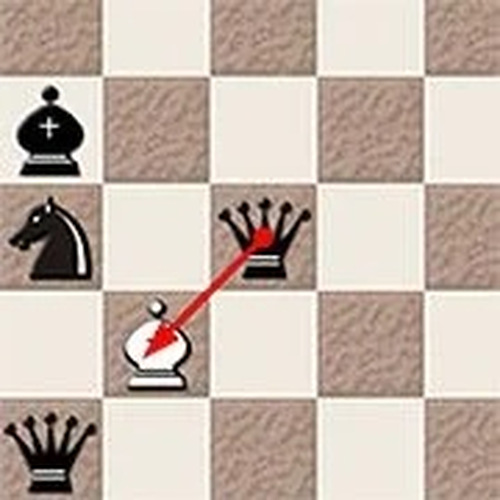
Chess Minefields Online Puzzle Game offers a unique twist on traditional chess practice. The game presents a standard chessboard where certain squares contain hidden mines. Your objective is to place specific chess pieces onto safe squares, avoiding the mines. Each correct placement earns points, while a wrong move ends the round. This format encourages careful observation and strategic thinking without requiring deep chess knowledge. It is designed for learners and enthusiasts who want to sharpen their board awareness in a low-stress environment. The game combines the logic of chess with the excitement of a puzzle challenge, making each session engaging and educational.
How to Play
Begin by looking at the chessboard and the piece you need to place. Click or tap on a square you believe is safe. The game instantly confirms if your choice is correct or if you hit a mine. Successful placements earn points and lead to the next puzzle. Use your understanding of chess piece movement and common safe positions to guide your choices. There is no time limit, so you can think carefully before each move. Repeating the game helps you recognize patterns and improve your accuracy over time.
Game Features
Safe and educational gameplay suitable for all ages. Simple click or tap controls for easy access. Progressive difficulty that challenges your chess knowledge. No violent or inappropriate content. Instant feedback on each move to support learning. Lightweight design for smooth performance on any device.
Tips for Success
Take your time with each placement—there is no rush. Study the board layout and consider where pieces typically move. Practice regularly to build pattern recognition. Focus on understanding safe zones based on piece movement rules. If you make a mistake, learn from it and try again. Over time, your accuracy and confidence will improve.