
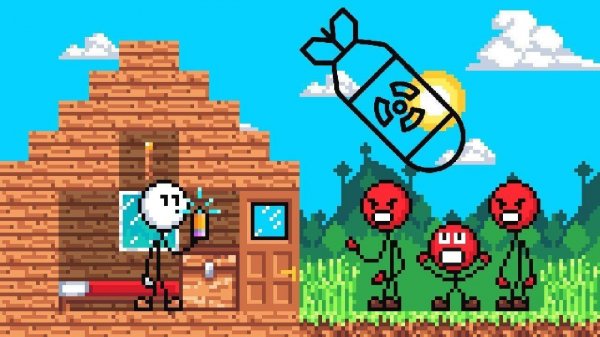
Drawing as a Tool for Problem Solving
At the heart of this experience lies a simple yet deep interaction: sketching a continuous line or shape directly on the screen. This drawn element becomes the key to interacting with the environment. Players might need to create a path for a character to follow, bridge a gap, or trigger a mechanism. The beauty is in the restraint—each puzzle provides only what is necessary, asking the player to figure out how a single line can change the outcome. This mechanic turns every level into a miniature engineering problem where the solution is both visual and logical.
Level Design and Gradual Complexity
The puzzles are arranged to introduce concepts one at a time. Early stages focus on simple pathfinding, teaching the player how the drawn line interacts with the world. Later levels layer in obstacles that require more thoughtful routes, such as barriers that redirect the line or targets that must be reached in a specific order. This steady increase in difficulty means players never feel lost or bored. Each new puzzle feels like a natural next step, building on skills learned in previous stages. The design respects the player's time, offering a sense of progression without unnecessary repetition.
Visual Style and Audio Atmosphere
The game presents a cheerful and inviting aesthetic. Bright colors and smooth animations make the screen easy to read, which is important when planning a line's trajectory. The background music is gentle and unobtrusive, creating a relaxed mood that encourages thoughtful play. Sound effects provide subtle feedback—a soft chime when a solution works, a gentle nudge when a line doesn't quite connect. Together, these elements form an environment that feels supportive rather than demanding. The overall presentation is polished and cohesive, contributing to a sense of calm focus.
Encouraging Creative Approaches
There is rarely only one correct way to solve a puzzle. The game rewards experimentation, allowing players to try different line shapes and see how they affect the level. A straight line might work in one situation, while a curved or angled line is needed elsewhere. This flexibility encourages players to think beyond the obvious and consider alternative strategies. The absence of a time limit means every attempt is a learning opportunity. Over time, this process strengthens pattern recognition and spatial reasoning skills, making each success feel earned and satisfying.
Accessibility for All Ages
The controls are designed to be intuitive for anyone. A simple touch or mouse drag is all that is needed to draw. There are no complex menus or confusing instructions. This simplicity makes the game suitable for young children just developing their fine motor skills, as well as older adults looking for a gentle mental workout. The family-friendly content means parents can share the experience with their kids without concern. The game respects the player's pace, making it a welcoming choice for those who prefer thoughtful activities over fast-paced action.





Comments
0 comments