
Tether Mechanics & Arena Flow
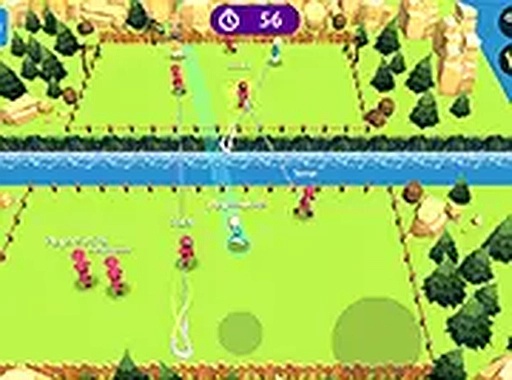
In Arena Tether 3D Showdown, players control a character moving through a three-dimensional arena. The primary action involves aiming and deploying a tether to tag other characters. A successful tag awards points and advances the player's standing on the leaderboard. The arena is designed with bright colors and simple geometry, keeping the focus on movement and tether accuracy. Matches are brief, encouraging repeated attempts to improve one's score.
Controls & Accessibility
The game uses standard keyboard inputs for movement, such as arrow keys or WASD. The tether is aimed with the mouse, and a click releases it toward a target. This control scheme is intuitive, allowing new players to understand the basics within moments. The game runs entirely in a web browser without requiring any downloads or installations. A full-screen mode is available for a more immersive view, and the interface remains clean and uncluttered throughout play.
Visual Style & Atmosphere
The arena features a cheerful, colorful aesthetic with no dark or intense themes. Characters are stylized and friendly, and the environment is well-lit with vibrant textures. This visual approach makes the game suitable for players of all ages. The absence of violent or scary elements ensures a relaxed competitive atmosphere where the focus remains on skillful tether use and strategic positioning.
Progression & Customization
After each match, players earn points that can be spent in an in-game store. The store offers five distinct character skins, each changing the appearance of the player's avatar. This customization adds variety without affecting gameplay balance. The leaderboard tracks performance across matches, providing a clear goal for improvement. Regular play allows players to unlock all skins over time, adding a sense of progression to the arcade-style loop.
Match Structure & Competition
Each match is designed to be quick, typically lasting only a few minutes. The competitive element comes from direct player interaction in the arena, where timing and prediction are key. Players must anticipate the movements of others to land successful tags while avoiding being tagged themselves. The leaderboard updates after each match, reflecting the most recent results. This structure encourages short, engaging sessions that fit well into a busy day.



Comments
0 comments