
What You Actually Do
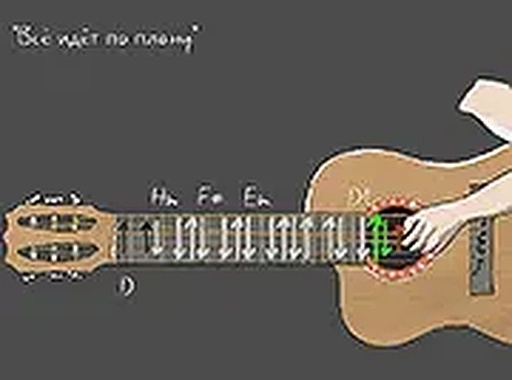
Guitar Simulator Music Arcade puts a virtual guitar on your desktop screen. Your job is simple: produce guitar sounds by strumming the strings, then shape the mood by switching between major and minor chords. There is no song to clear and no score to chase. The interaction is the point. You click or press designated keys to strike the strings, and the sound engine responds with realistic guitar tones. Because major and minor chords carry different emotional weight, the switch is the main creative lever. A progression that sounds bright in major can turn wistful the moment you move to its minor counterpart. That single decision, repeated and varied, is where most of the play time goes.
Controls and Desktop Focus
The game is built for desktop use with a keyboard or mouse. You can strum by clicking the strings directly or by pressing the keys assigned to each string. Chord switching is handled through the same input scheme, so your hands stay in one place while you experiment. This is not a mobile-first design; a computer with a physical keyboard or a mouse gives the most reliable response. Full screen mode is available and worth using, not because it adds features, but because it removes browser clutter and lets you concentrate on timing and chord changes.
Where the Challenge Lives
There is no fail state and no timer. The difficulty is entirely self-directed. Beginners can poke at individual strings and hear what each one does. Players with more guitar familiarity can work on smooth chord transitions, which is the skill that separates a fumbled change from a clean one. Because the game does not grade you, progress looks like fluency: fewer pauses between chords, more deliberate progressions, and a better feel for how major and minor shifts affect a phrase. Rhythm and timing improve through repetition, but only if you are paying attention to when you strike versus when you planned to strike.
Who Gets the Most From It
This suits two groups. The first is casual players who want a musical toy they can open in a browser tab and close without commitment. The second is anyone curious about how chords fit together, since the major-minor switch makes that relationship audible rather than theoretical. It is not a substitute for learning guitar, and it does not claim to be. Treat it as a low-stakes space to hear chord changes and build a feel for rhythm. [IMG_1] The absence of downloads or hidden costs keeps the barrier low, which is the main reason it works as a five-minute break or a longer experimental session.





Comments
0 comments