
Stage Design & Opponents
Each of the six levels presents a unique environment and a specific antagonist at the end. Early stages introduce enemies with electrical abilities, while later ones feature foes who manipulate sand or create illusions. The final confrontations require careful observation of each opponent's attack patterns. The variety keeps the gameplay fresh without overwhelming the player.
Movement & Navigation
The hero can run left or right, jump over obstacles, and duck to avoid incoming attacks. Certain surfaces like walls and trees can be climbed by moving toward them. A web-swinging mechanic allows crossing wide gaps or attaching to ceilings. These movement options add vertical exploration to the otherwise horizontal stages.
Combat & Items
Basic attacks are performed with a single button, effective against most common enemies. Collectible items found throughout stages grant a ranged attack option, useful for hitting distant foes. Some levels require locating specific objects like keys or detonators to unlock the path forward. Timing and precision become critical during boss encounters.
Visual & Audio Style
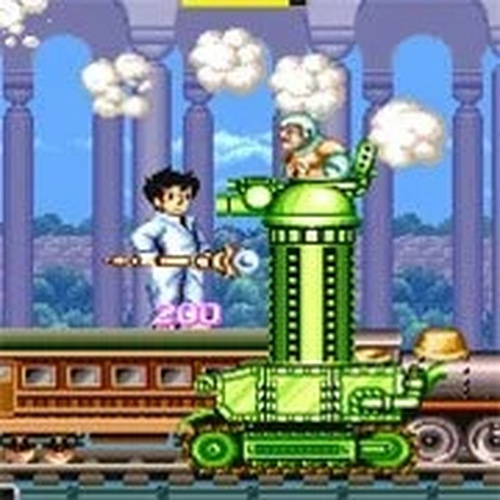
The game uses pixel art typical of early 1990s home console releases. Each stage has a distinct color palette and background design, from city rooftops to industrial zones. The soundtrack uses chiptune melodies that match the action's pace. Sound effects for jumps and attacks are clear and responsive.
Learning Curve & Replay Value
New players can complete the game in a single session, but mastering each stage's layout and enemy placements takes practice. Memorizing item locations and boss patterns reduces damage taken. The straightforward design encourages repeated attempts to improve completion times or find hidden collectibles.


Comments
0 comments